
Monday - Saturday, 7:00 AM to 7:00 PM
Residential Tree Care and Maintenance, Greg Bailey Tree Services
Tree Health Assessment and Disease Treatment Services
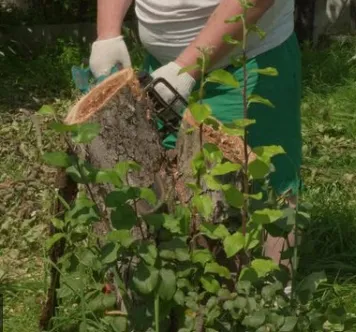
Most homeowners only call tree services when branches are already on the roof or trees have fallen. Regular maintenance prevents those emergencies and costs far less than damage repairs. A homeowner in Parkville started annual trimming after an ice storm dropped limbs through their deck. Three years later, their trees are healthy and they haven't had another storm damage incident. Residential tree care includes seasonal pruning, dead wood removal, canopy thinning, and monitoring for disease or pest problems. Trees near houses need attention every few years to keep branches away from roofs and prevent hazards. Whether you have mature oaks shading your home in Weston, maples lining your driveway in Platte City, or mixed trees throughout your yard in Kansas City, regular care keeps them growing strong. We set up maintenance schedules that fit your trees' needs and your budget without selling unnecessary services.
Seasonal Tree Pruning and Trimming
Trees benefit from regular pruning that removes dead wood, shapes growth, and maintains clearance from structures. Seasonal trimming prevents overcrowding, improves tree health, and reduces storm damage risk. We schedule pruning during optimal times for each species—late winter for most trees, post-bloom for flowering varieties. Regular trimming costs less than waiting years and needing major corrective work.
Preventive Tree Health Monitoring
Catching problems early saves trees and money. We monitor your trees during regular visits for signs of disease, pest activity, or structural issues. Early detection allows treatment before conditions become serious. This includes checking for bark damage, unusual growth patterns, insect presence, and environmental stress. You learn about problems while they're still manageable instead of discovering them when trees are dying.
Property Tree Management Plans
Properties with multiple trees need organized care schedules. We assess all trees on your property, prioritize work based on condition and risk, and create multi-year maintenance plans. This spreads costs over time and ensures every tree gets appropriate attention. Plans include trimming schedules, monitoring intervals, and recommendations for removal or treatment as needed. Your trees stay healthy without surprise expenses or emergency calls.
Our Simple 3-STEP Residential Tree Care and Maintenance PROCESS
1
Complete Property Tree Assessment
We walk your property and examine every tree. This includes measuring trees, checking health, identifying hazards, and noting trees near structures or utilities. The assessment determines what work each tree needs immediately and what can wait. You get a written report covering all trees with prioritized recommendations. We explain which trees need attention now and which can be scheduled for later.
2
Scheduled Maintenance and Care
Based on your priorities and budget, we schedule tree work throughout the year. This might include winter pruning, spring cleanup, summer monitoring, and fall preparation. Work is timed appropriately for tree health—we don't prune at wrong times just to fit schedules. Each visit includes the planned work plus inspection for new problems that have developed since the last visit.
3
Ongoing Monitoring and Updates
During each maintenance visit, we update you on tree conditions and upcoming needs. If we notice early disease symptoms, pest activity, or structural changes, you learn immediately while solutions are still simple. Annual or bi-annual monitoring keeps you informed about tree health without waiting for obvious problems. You maintain healthy trees through consistent attention instead of reactive emergency calls.
Ready to get started?
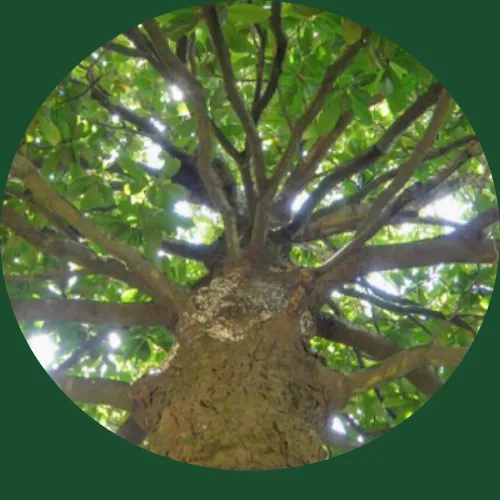
Tree down? Overgrown branches? Yard needs attention?
Call Greg Bailey Tree Services for Fast, Professional Tree Care in Saint Joseph and Kansas City
Frequently Asked Questions
Got Questions? We’ve Got Answers!
How often should residential trees be trimmed?
Most residential trees need trimming every 3-5 years depending on species and growth rate. Fast-growing trees like maples and willows need more frequent attention. Slow-growing oaks can go longer between trimmings. Trees near structures should be trimmed more often to maintain clearance. We assess your specific trees and recommend appropriate schedules based on their condition and location rather than arbitrary timeframes.
What does a tree maintenance plan include?
Maintenance plans include scheduled pruning, dead wood removal, health monitoring, and priority recommendations for each tree on your property. Plans spread work over multiple years based on tree needs and your budget. You get predictable costs instead of surprise expenses. Plans are flexible—urgent work gets addressed immediately while routine maintenance follows the schedule. Everything is documented so you track what's been done.
Is tree maintenance worth the cost?
Regular maintenance costs less than emergency removal and property damage repairs. Preventive trimming and monitoring catch problems early when solutions are simple and affordable. A $300 pruning job prevents the $3,000 tree removal that becomes necessary when dead branches aren't addressed. Maintenance also protects property value—healthy trees increase home values while neglected dangerous trees decrease them.
Can I trim my own trees?
Homeowners can handle minor work like removing small dead branches within reach. Anything requiring ladders, power tools, or cuts above 10 feet should be left to professionals. Improper cuts damage trees permanently. Ladder accidents injure homeowners every year. Tree work near power lines is deadly without proper training. Know your limits—simple cleanup is fine, but actual tree work requires experience and equipment most homeowners don't have.
What's the difference between maintenance and emergency tree service?
Maintenance is scheduled work on healthy or stable trees to keep them that way. Emergency service responds to fallen trees, storm damage, or immediate hazards. Maintenance costs less, is scheduled at convenient times, and prevents problems. Emergency work costs more, happens at inconvenient times, and addresses problems after they've occurred. Good maintenance reduces emergency calls significantly over time.
What if I have more questions?
You can reach us at (816) 261-3411 or email us at [email protected] for more information — we’re always happy to help.
Everything You Need to Know Before Booking our Tree Services services.
Get Help in 30 Minutes!
Locally Owned and Trusted Since 2010
Contact Us
Social


Quick Links
Services
Locations
