
Monday - Saturday, 7:00 AM to 7:00 PM
Storm Damage Tree Cleanup and Restoration, Greg Bailey Tree Services
Storm Damage Tree Cleanup and Restoration Services
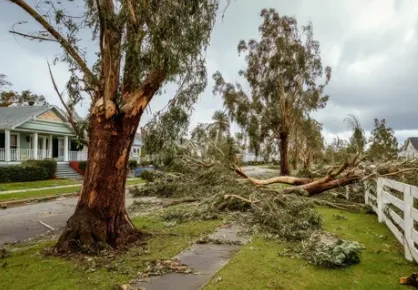
Storm cleanup requires more than just cutting up fallen trees and hauling debris. After a severe ice storm hit Saint Joseph, we cleared over 30 properties in three days—removing trees from roofs, clearing blocked driveways, and grinding stumps so homeowners could file insurance claims and start repairs. Storm damage assessment matters because trees under tension or partially fallen can shift unexpectedly during removal. We evaluate every situation before cutting to prevent additional damage. Whether high winds scattered branches across your yard in Parkville, ice brought down limbs in Weston, or a tornado left multiple trees damaged in Kansas City, we handle the cleanup completely. This includes removing fallen trees, cutting up debris, grinding stumps, and hauling everything away so your property is usable again. We work with insurance companies regularly and provide the documentation they need for claims.
Fallen Tree Removal and Cleanup
Storms knock down entire trees that need immediate removal. We cut up fallen trees, remove debris, and grind stumps so your yard, driveway, or access roads are clear. This includes trees that have fallen on structures, across driveways, or into neighboring properties. Each situation is assessed for safety hazards before cutting begins. Complete cleanup means hauling away all wood and debris, not leaving piles for you to deal with later.
Broken Limb and Debris Removal
High winds and ice storms break branches throughout tree canopies. These hanging limbs fall without warning and create ongoing hazards. We remove broken branches still caught in trees, clear debris from roofs and gutters, and eliminate widow-makers that threaten people below. Ground debris gets chipped and hauled away. Your property is cleared of all storm damage, not just the obvious pieces blocking access.
Insurance Documentation and Claims Support
Storm damage involves insurance claims that require proper documentation. We photograph damage before and during cleanup, provide detailed estimates, and itemize work for insurance adjusters. Many homeowners don't know what information insurers need or how to document tree damage properly. We've worked with dozens of insurance companies and understand their requirements. This speeds up claims and gets you reimbursed faster.
Our Simple 3-STEP Storm Damage Tree Cleanup and Restoration PROCESS
1
Damage Assessment and Safety Evaluation
We inspect all storm damage on your property to identify immediate hazards, trees under tension, and hanging branches that could fall. The assessment determines removal priorities—trees on structures come first, then access blockages, then yard debris. You get a complete estimate covering all cleanup work. We explain what insurance typically covers and what documentation you'll need for claims.
2
Safe Debris Removal and Cleanup
Our crew removes fallen trees, cuts up debris, and clears your property systematically. We start with the most dangerous hazards and work through all storm damage. Trees under tension or leaning on structures are stabilized before cutting. Hanging branches are removed safely using ropes and rigging. All debris gets chipped and hauled away as we work. Large logs can be cut for firewood if you want them.
3
Final Cleanup and Property Restoration
After removing all storm debris, we grind stumps below grade, rake the entire area, and haul away remaining wood chips. Your property is left clean and ready for repairs or immediate use. We provide itemized invoices, photos of damage, and documentation for insurance claims. If additional tree work is needed to prevent future storm damage, we identify those trees and recommend appropriate action.
Ready to get started?
Tree down? Overgrown branches? Yard needs attention?
Call Greg Bailey Tree Services for Fast, Professional Tree Care in Saint Joseph and Kansas City
Frequently Asked Questions
Got Questions? We’ve Got Answers!
How quickly can you respond after a storm?
Response time depends on storm severity and how many properties are affected. During major weather events, we prioritize life-safety situations first—trees on occupied structures or blocking only exits. Most storm cleanup requests get responded to within 24-48 hours. We answer phones seven days a week during storm season and schedule based on damage severity and customer need.
Does insurance cover storm damage tree removal?
Most homeowner policies cover tree removal when storms damage covered structures like houses, garages, or fences. Trees that fall in your yard without hitting anything typically aren't covered. Coverage limits vary by policy—usually $500 to $1,500 per tree with total limits around $5,000. Check your specific policy for details. We provide the documentation insurers need to process claims quickly.
What information do I need for insurance claims?
Insurance companies need photos of the damage, estimates for removal costs, and documentation showing storm damage caused the tree failure. Take photos before anyone touches the tree. Get written estimates from tree services. Document the storm date and conditions. We provide detailed invoices, before and after photos, and descriptions of work performed. Keep all documentation until your claim is settled.
Can you remove a tree that fell on my house?
Yes. Trees on roofs require careful removal to prevent additional structural damage. We stabilize the tree, relieve weight gradually by cutting small sections, and remove it piece by piece. Each section is rigged and lowered carefully to avoid shifting the tree or collapsing damaged areas. We've removed trees from roofs across multiple properties without causing further damage to structures underneath.
How long does storm cleanup take?
Cleanup time depends on damage severity and property size. Single fallen trees with minimal debris take a few hours. Properties with multiple damaged trees, extensive debris, and stump grinding take several days. We work efficiently but don't rush safety steps. Weather conditions and equipment availability occasionally cause delays. Most residential storm cleanup finishes within one to three days depending on scope.
What if I have more questions?
You can reach us at (816) 261-3411 or email us at [email protected] for more information — we’re always happy to help.
Everything You Need to Know Before Booking our Tree Services services.
Get Help in 30 Minutes!
Locally Owned and Trusted Since 2010
Contact Us
Social


Quick Links
Services
Locations
