
Monday - Saturday, 7:00 AM to 7:00 PM
Tree Cabling and Bracing for Safety, Greg Bailey Tree Services
Tree Cabling and Bracing for Safety and Stability
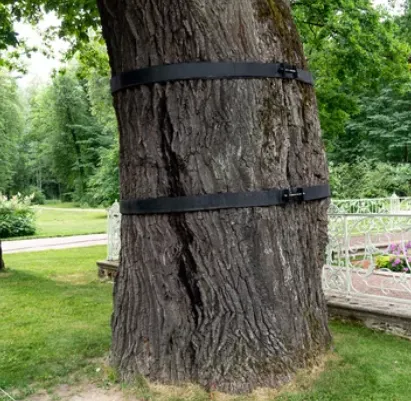
Some trees are worth saving despite structural problems. A homeowner in Weston had a 70-year-old oak with a split trunk that threatened to collapse onto their house. Removal would have cost thousands and eliminated shade they relied on for cooling. We installed a cabling system that stabilized the split and extended the tree's life by at least a decade. Cabling and bracing support trees with weak unions, split trunks, or heavy limbs prone to failure. Steel cables limit movement during storms while allowing natural growth. Bracing rods bolt through trunks to hold splits together. These systems work when installed correctly but fail when done poorly. We assess whether trees are good candidates for support systems or if removal is safer. Trees near houses in Platte City or over driveways in Parkville often benefit from cabling that prevents branch failure. Not every compromised tree can be saved, but proper support systems extend life and prevent damage when removal isn't your preferred option.
Cable Support Systems
Cables installed in tree canopies limit movement and reduce stress on weak branch unions. We use flexible steel cables anchored high in the tree to support limbs without restricting natural growth. Cable systems work for co-dominant stems, heavy horizontal branches, and splits that haven't completely separated. Installation requires climbing to proper anchor points and tensioning cables correctly. Improperly installed cables fail during storms and create false security.
Trunk and Branch Bracing
Bracing rods bolt through tree trunks to hold splits together and prevent separation. This works for cracks that haven't fully opened or multiple stems growing from the same point. Rods provide rigid support that cables can't deliver. Bracing is more invasive than cabling but necessary for certain structural problems. We drill precisely to avoid damaging essential wood and install hardware that won't loosen over time.
Tree Support Assessment and Monitoring
Not every damaged tree benefits from support systems. We assess structural problems, tree health, and failure risk before recommending cabling or bracing. Some trees are too far gone—support systems just delay the inevitable removal. Others are excellent candidates where systems prevent failure for years. After installation, we monitor supported trees during regular visits to check cable tension, hardware condition, and tree response. Support systems need occasional adjustment as trees grow.
Our Simple 3-STEP Tree Cabling and Bracing for Safety PROCESS
1
Structural Assessment and System Design
We examine the tree thoroughly to identify structural weaknesses, measure stress points, and determine if support systems will work. Not every tree is a good candidate—some are better removed. For trees worth saving, we design cable or bracing systems appropriate to the specific problem. The assessment includes tree health evaluation because support systems don't help dying trees. You learn if your tree can be saved and what that requires.
2
Professional System Installation
Our crew installs cables or bracing using proper techniques and hardware. Cables are anchored at correct heights and angles to provide support without damaging the tree. Bracing rods are drilled and installed precisely through trunk splits. All hardware is rated for tree work and installed to last years without failure. Installation is done carefully to minimize tree stress and maximize system effectiveness.
3
Monitoring and Maintenance Checks
After installation, we schedule follow-up inspections to check system performance and tree response. Cables may need tension adjustments as trees grow. Hardware is examined for loosening or damage. Tree health is monitored because support systems only work if the tree remains viable. You receive updates on tree condition and system status during each inspection. Problems are addressed before they become failures.
Ready to get started?
Tree down? Overgrown branches? Yard needs attention?
Call Greg Bailey Tree Services for Fast, Professional Tree Care in Saint Joseph and Kansas City
Frequently Asked Questions
Got Questions? We’ve Got Answers!
How much does tree cabling and bracing cost?
Tree support systems cost depends on tree size, problem severity, and hardware needed. Simple cable installations cost less than complex multi-cable systems with bracing. Large trees requiring multiple support points cost more than small trees with single problems. Most residential cabling systems are moderately priced compared to tree removal costs. We provide estimates after assessing the tree and determining appropriate support methods.
How long do tree cables and braces last?
Properly installed systems last 10-20 years with occasional inspections and adjustments. Cables may need retensioning as trees grow. Hardware should be checked every few years for wear or loosening. The tree's response matters—healthy trees with good support systems can last decades. Declining trees eventually need removal regardless of support. Systems extend tree life but aren't permanent solutions for all structural problems.
Can cabling save a tree with a major split?
It depends on split severity and tree health. Partial splits that haven't fully separated are good candidates for cabling and bracing combined. Complete separations usually can't be saved. Splits in dead or dying wood won't hold hardware properly. We assess each situation honestly—some splits are too advanced for support systems to work reliably. Attempting to save unsalvageable trees wastes money and creates false security.
Will cables damage my tree?
Properly installed cables don't damage trees. Anchor points are chosen to avoid critical growth areas. Hardware is installed without girdling branches or restricting growth. Cables flex during wind without cutting into bark. Poor installation damages trees—cables placed wrong, hardware too tight, or systems over-constraining natural movement. Professional installation prevents damage while providing necessary support.
Should I cable or remove a damaged tree?
The decision depends on tree value, problem severity, and safety risks. Valuable mature trees providing shade, privacy, or aesthetic value are often worth cabling if structurally sound otherwise. Trees in advanced decline, with multiple problems, or posing high failure risk should be removed. We provide honest recommendations based on tree condition and realistic success rates. Sometimes removal is safer and more cost-effective than attempting to save a compromised tree.
What if I have more questions?
You can reach us at (816) 261-3411 or email us at [email protected] for more information — we’re always happy to help.
Everything You Need to Know Before Booking our Tree Services services.
Get Help in 30 Minutes!
Locally Owned and Trusted Since 2010
Contact Us
Social


Quick Links
Services
Locations
