
Monday - Saturday, 7:00 AM to 7:00 PM
Tree Health Assessment and Disease Treatment, Greg Bailey Tree Services
Tree Health Assessment and Disease Treatment Services
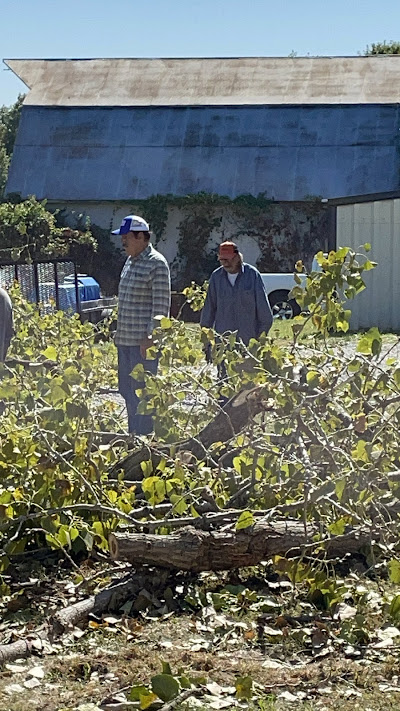
Tree diseases spread quickly and kill entire trees if left untreated. A homeowner in Kansas City noticed brown spots on their oak leaves and ignored them for two years. By the time they called us, the tree was half dead and threatening their neighbor's property. We had to remove it completely. Early detection saves trees and money. We assess tree health by examining bark condition, leaf color, branch dieback, fungal growth, and insect damage. Some diseases are treatable with proper care—others require removal before they spread to healthy trees. Whether you've noticed holes in bark, premature leaf drop, or mushrooms growing at the base of trees in Weston or Platte City, we identify the problem and recommend treatment or removal. Catching problems early means the difference between saving a valuable tree and watching it die slowly over several years.
Disease Identification and Diagnosis
Tree diseases have specific symptoms that trained eyes recognize. We identify common Missouri and Kansas tree diseases including oak wilt, Dutch elm disease, apple scab, fire blight, and various fungal infections. Proper diagnosis determines whether treatment will work or if removal prevents the disease from spreading. Some diseases kill trees quickly while others progress over years. Knowing what you're dealing with allows proper planning.
Pest and Insect Infestation Assessment
Emerald ash borers, bark beetles, bagworms, and other pests damage or kill trees. We assess insect damage severity and recommend treatment or removal based on infestation level. Early-stage infestations may respond to treatment. Heavily infested trees often die despite intervention. Pest identification matters because treatments vary by insect type. Some insects are visible on bark or leaves while others work inside the tree where damage isn't obvious until it's severe.
Tree Treatment Recommendations
After assessing tree health, we recommend appropriate action—treatment, monitoring, or removal. Treatment options include pruning diseased branches, improving soil conditions, addressing drainage problems, or recommending licensed applicators for chemical treatments. We're honest about treatment success rates. Some conditions are treatable if caught early. Others mean the tree is dying regardless of intervention. You get clear guidance on whether investing in treatment makes sense or if removal is the better choice.
Our Simple 3-STEP Tree Health Assessment and Disease Treatment PROCESS
1
Comprehensive Tree Inspection
We examine the entire tree from roots to canopy. This includes checking bark for damage, looking for fungal growth, assessing leaf condition, identifying insect activity, and evaluating structural integrity. We look at soil conditions, drainage patterns, and nearby trees that might be infected. The inspection identifies all problems affecting tree health, not just obvious symptoms. You learn exactly what's wrong with your tree.
2
Problem Identification and Diagnosis
After inspection, we identify specific diseases, pests, or environmental stresses causing problems. Some symptoms indicate multiple issues—drought stress combined with insect damage, for example. Accurate diagnosis determines whether treatment will work. We explain what we found, how the problem developed, and what happens if left untreated. You understand the tree's condition and prognosis clearly.
3
Treatment Plan or Removal Recommendation
Based on diagnosis and tree condition, we recommend the best course of action. Treatable problems get specific care instructions—pruning schedules, soil amendments, watering changes, or referrals to licensed applicators for treatments we don't provide. Trees too far gone get removal recommendations before they die completely and become hazards. You know whether your tree can be saved and what that requires.
Ready to get started?
Tree down? Overgrown branches? Yard needs attention?
Call Greg Bailey Tree Services for Fast, Professional Tree Care in Saint Joseph and Kansas City
Frequently Asked Questions
Got Questions? We’ve Got Answers!
How do I know if my tree is diseased or just stressed?
Disease symptoms include unusual discoloration, premature leaf drop, fungal growth, cankers on bark, and progressive branch dieback. Stress symptoms from drought or poor soil often affect the entire tree uniformly. Diseases typically show localized symptoms that spread over time. We examine the tree thoroughly to determine if problems are disease-related, environmental, or both. Some conditions mimic each other, making professional assessment valuable.
Can tree diseases spread to other trees in my yard?
Yes. Oak wilt, Dutch elm disease, and other fungal infections spread through root systems or insect vectors to nearby trees. Some diseases spread rapidly while others move slowly. Infected trees often need removal to protect healthy trees around them. We assess spread risk and recommend action based on disease type and proximity to other susceptible trees. Prevention is cheaper than treating multiple infected trees.
Is it worth treating a diseased tree or should I remove it?
Treatment value depends on disease severity, tree condition, treatment cost, and success likelihood. Early-stage infections in otherwise healthy trees often respond to treatment. Advanced infections in declining trees rarely justify treatment costs. We're honest about success rates and costs. If a tree has a 20% survival chance and treatment costs thousands, removal might be smarter. You get realistic expectations, not false hope.
What are signs of emerald ash borer infestation?
Emerald ash borer symptoms include D-shaped exit holes in bark, S-shaped larval galleries under bark, canopy thinning starting at the top, bark splitting, and woodpecker damage. Infested trees decline over 2-4 years. Early detection improves treatment success but doesn't guarantee survival. Ash trees showing advanced symptoms usually die regardless of treatment. We assess infestation severity and recommend treatment or removal based on tree condition.
How often should trees be inspected for health problems?
Mature trees benefit from inspection every 2-3 years. Trees showing symptoms need immediate assessment. High-value trees near structures should be checked annually. Spring and fall are ideal inspection times when symptoms are most visible. Regular inspection catches problems early when treatment is most effective. Waiting until a tree is obviously dying limits your options to removal.
What if I have more questions?
You can reach us at (816) 261-3411 or email us at [email protected] for more information — we’re always happy to help.
Everything You Need to Know Before Booking our Tree Services services.
Get Help in 30 Minutes!
Locally Owned and Trusted Since 2010
Contact Us
Social


Quick Links
Services
Locations
